

This morning I sat at my desk in my pajamas, writing, enjoying the way the light spilled from the lamp onto the scarred surface of the wood. Appreciating these last couple of days of not working. After a whole year off, I go back to my job on Thursday. My phone was on silent, but I noticed a missed call pop up on the screen. It was from the hair salon where I had booked an appointment for 11 a.m. Lots of time yet. I called back and asked if there was a problem….Did they need to reschedule?

“Well yes, your appointment was at 11 and it’s 12.”
“It’s 12? No, it’s 8:58 a.m.” Pause. “Wait a second, where are you?”
“Alliston, Ontario.”
“What? Really? Oh my God, I am so sorry. Aren’t you the Gallery Salon on Yates Street in Victoria, B.C.?”
“Where? Victoria? No, we’re in Ontario. Our salon is the Gallery Salon, and we’re on Victoria Street in Alliston.”
I was deeply apologetic, and then we both had a good laugh about it. After I ended the call, I thought about the details that I should have twigged on yesterday. I was looking online for a local salon that had a high rating—the Gallery Salon came up, located on Yates Street in Victoria. But I couldn’t find their website so looked for a Facebook page. Sure, the Gallery Salon has a FB page, but I didn’t notice it was a different Gallery Salon, one located in Alliston, Ontario. I tried to book with their online app, but got a FB message to call them to schedule an appointment.
Why didn’t I notice the 705 area code when I called? In the back of my mind, I figured the area code was some new cell phone code, like 778, which startled me when it was first introduced. The owner mentioned HST when we talked about pricing. Why didn’t that detail wake me up? in British Columbia we charge Provincial Sales Tax (PST) plus Goods and Services Tax (GST), whereas Ontario businesses charge a combination of the two, called the Harmonized Sales Tax (HST). Perhaps I had temporary amnesia and thought time had slipped back to 2011 or 2012 when B.C. briefly charged the HST.
In any case, my mind had done a superb job of filtering out information that didn’t align with my expectations. Selective perception? Frightening, really.
What does it mean to have an “eye for detail”? I expect myself to have eagle eyes because I am an editor-in-training. But each of us notices some details and not others. It depends on your focus, your task, your mood, your intention. Today I was interested in the details of lipstick shades. I was writing about Phyllis’s lipstick:
“Her lips, Geraldine noticed, were the colour of the heavy hardcover Roget’s Thesaurus she kept under her bed. Claret red. Revlon’s “Certainly Red.” The shade matched Phyllis’s certainty, her sophistication. Not like her grandmother’s “Candy Pink” from Avon, sold by Wilma from upstairs, the Avon Lady and Garnet’s babysitter. No, not that silly, girlish, domesticated pink. Far from it.”
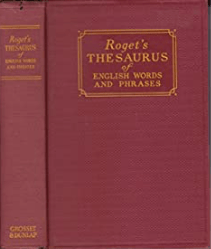
I looked up Avon and Revlon lipstick shades from the early 1950s and old book covers of Roget’s Thesaurus (Geraldine, a 13-year-old philologist, keeps a dictionary and a thesaurus under her bed). So many shades of pink and red. Burgundy, geranium, candy floss, salmon, cherry, garnet, ruby, watermelon, and blood.
Some days I notice almost every plant we pass on our walks, marvelling at variegated leaves, unusual blooms, the shape of needles, the saturated cobalt blues and plums of the hydrangea petals. Other times I barely register my surroundings, my attention drawn inward or wrapped around an intimate conversation. An eye for detail, like everything else, is variable, relative, and contingent on context.
As I finish my first course in the editing certificate and work on the final assignment this week, I am grateful that I can switch on my eagle eye when I really need it. When it’s time to proofread, I can shut out distractions and use a ruler to move slowly down a page of text, my antennae out for anomalies, typos, extra spaces. When it’s time for big picture detail, my mind can range like a camera viewfinder, alert to where prose needs a signpost, where a key transition needs ballast.
I have reassured myself that if I weren’t so distracted yesterday by multi-tasking (making a hair appointment while reading my email), I would have noticed I was talking to the owner of a salon located 4,274 kilometres away from my hair. When I set my intention, I have a grand eye for detail.
And yet, I still need a haircut. . . .
Update
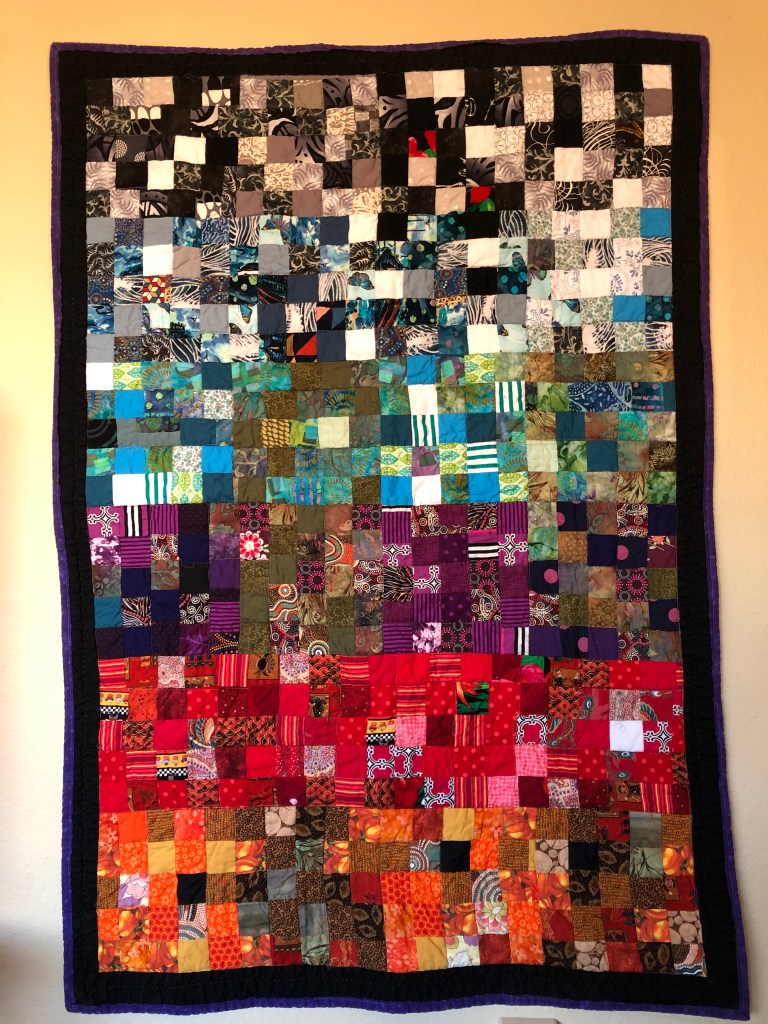
In my last post, I said that I would let readers know the results of my fundraiser. Thank you to Barbara Churchill who purchased the Four Seasons quilt for $260—all proceeds went to Black Lives Matter, Vancouver B.C.

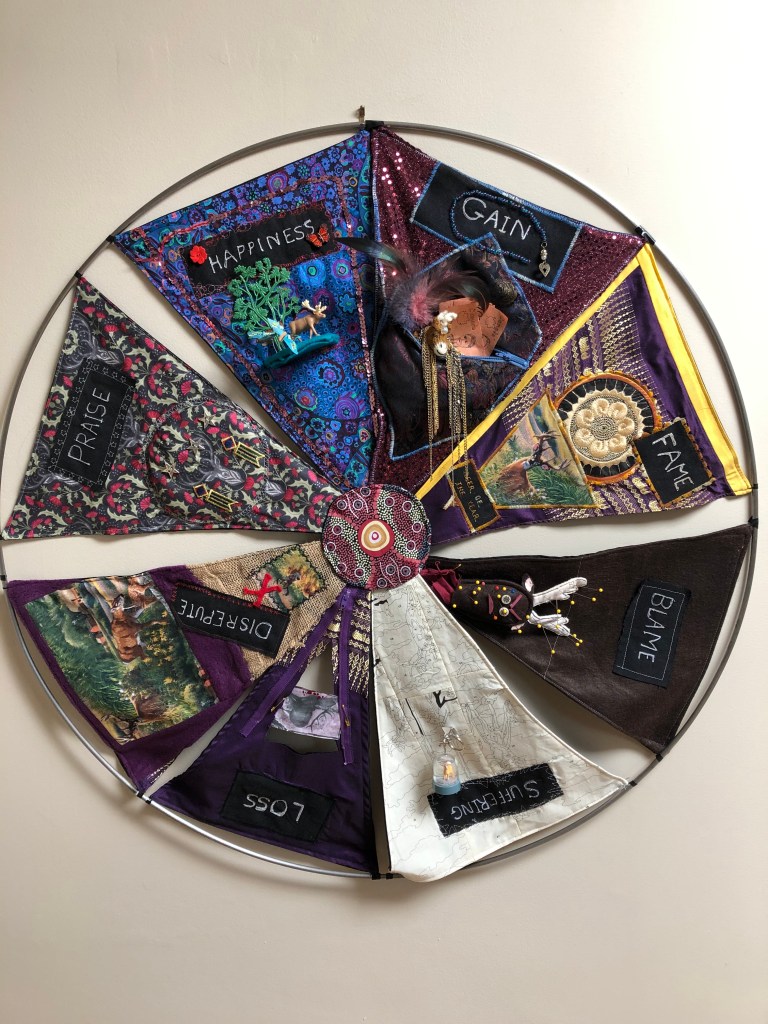
No takers for my piece, the Eight Worldly Winds, but that’s okay. I like to see it hanging above my new desk, which is actually a used kitchen table we bought for $20 last week. I’ll be working from home now, and this is my home office. Thank you for reading. Stay safe.

















 A few weeks ago, I picked up Octavia Butler’s The Parable of the Sower from the cute little library on the front yard of a house around the corner. “Take a Book, Leave a Book” was painted in curlicued white letters across the blue cupboard doors. When I was a teenager, I decided I wasn’t interested in science fiction. Somehow, I only wanted to read things that were “real.” So I turned to 19th century British novels and early-mid 20th century American writers like Philip Roth and Saul Bellow. Of course I have cast my reading net much wider since then, but I still don’t tend to be drawn to science fiction or its sister genres, fantasy and horror. Yet, as I dug into Butler’s novel, I became engrossed by the young female narrator/ protagonist Lauren who is bent on survival in a dystopian America of the future. Her warrior spirit drives her to escape from the murder of her family and razing of her home in a gated community in Southern California and form a motley tribe of people all searching for safety. Due to her mother’s drug abuse, Lauren was born with hyperempathy, a disability that has her feeling other people’s pain to a debilitating degree. She develops a religion called Earthseed, whose God is Change because the only thing we can be certain of is that everything changes. What felt eerie about this novel, written in 1993, was that Butler’s portrayal of a dystopian nation read as strongly resembling Trump’s America.
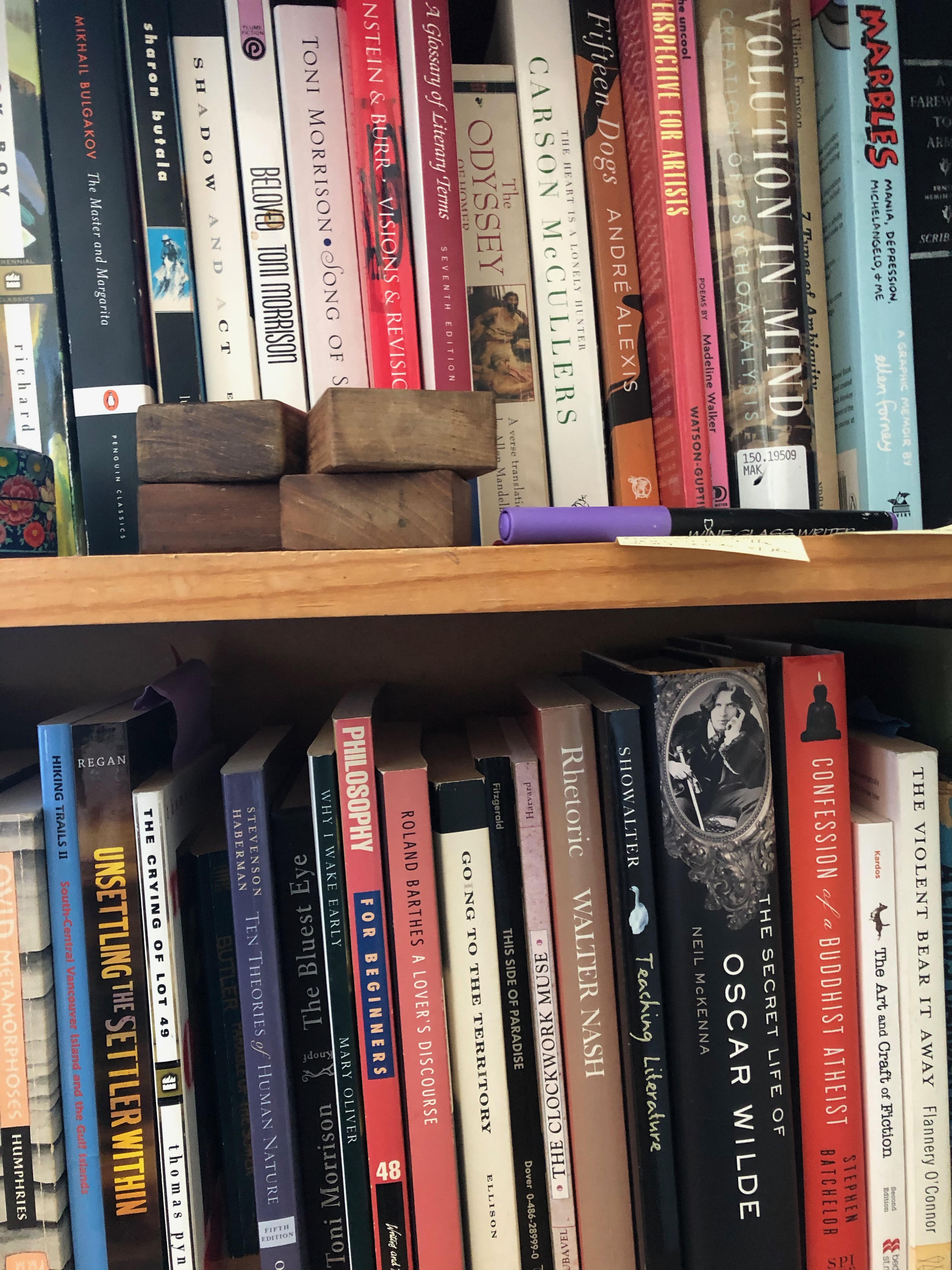 I always prefer books as objects over digitized texts. I love the feel and look of books. I love to explore marginalia and marks, run my hands over bindings, examine tatters and pages folded over, text that has been underlined. The other day I picked up a well worn novel (The Lotus Eaters by Tatjana Soli) from a free library that had written in the inside cover in elegant cursive, “Property of” followed by a rectangular stamp: The Cavern Hotel and Café, El Nido, Palawan. I Googled this mysterious place and discovered it is a hotel offering pod accommodations in the Philippines. So interesting. (The next day, Trip Advisor wondered if I would like to see the current rates for staying the Cavern.)
 the dark, I enter into the world of Butler’s novel, where kindness is the last good thing, where people band together in tribes because love and human relationships are all that we have, and where impermanence is the only truth. Wait a minute, all of that is sounding familiar. Is it really the future, or is it now?


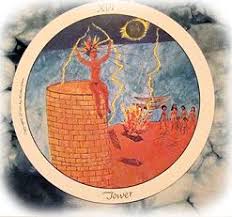 At the time, I thought the big change the Tower signified was the crumbling of ego. I was being called to surrender to the slow incremental losses of old age. But the Tower signifies sudden change, and today I believe it foretold the capital c Change the pandemic has brought: change that shakes the very foundations of our lives, change that brings our beliefs and systems under scrutiny and asks us what is most important in life.



 I stood before the tree in the fragile March sun, reading e.e. cummings’s [love is more thicker than forget]. When I read e.e. cummings or Dylan Thomas, and sometimes T.S. Eliot, my mind tells me I don’t understand, and yet deep in my toes, my heart, my fingertips, my tongue, my soft palate, I get it. I sense the truth of it. I hear the rightness of it. cummings knew that love is certainly mad and moonly, yet at other times sane and sunly. Contradictory, puzzling, complex, maddening, glorious, fleeting, perseverant, inexplicable: love is all of that and more. The double negatives and oppositions in the poem read like wise nonsense spouted by a savant.


 In Age
 Although most of our poems have disappeared under the quick daily rub of a tea towel, Michael snapped photos of a few of his over the years. He prefers the Choka, a form that Skelton describes as “a poem of any length” that “alternates a five syllable with a seven syllable line and concludes with an additional seven syllable line” (p. 10). This one takes me back to the days when we both worked M-F, 9-5 and all week we ripened for the week-end and its leisurely joys.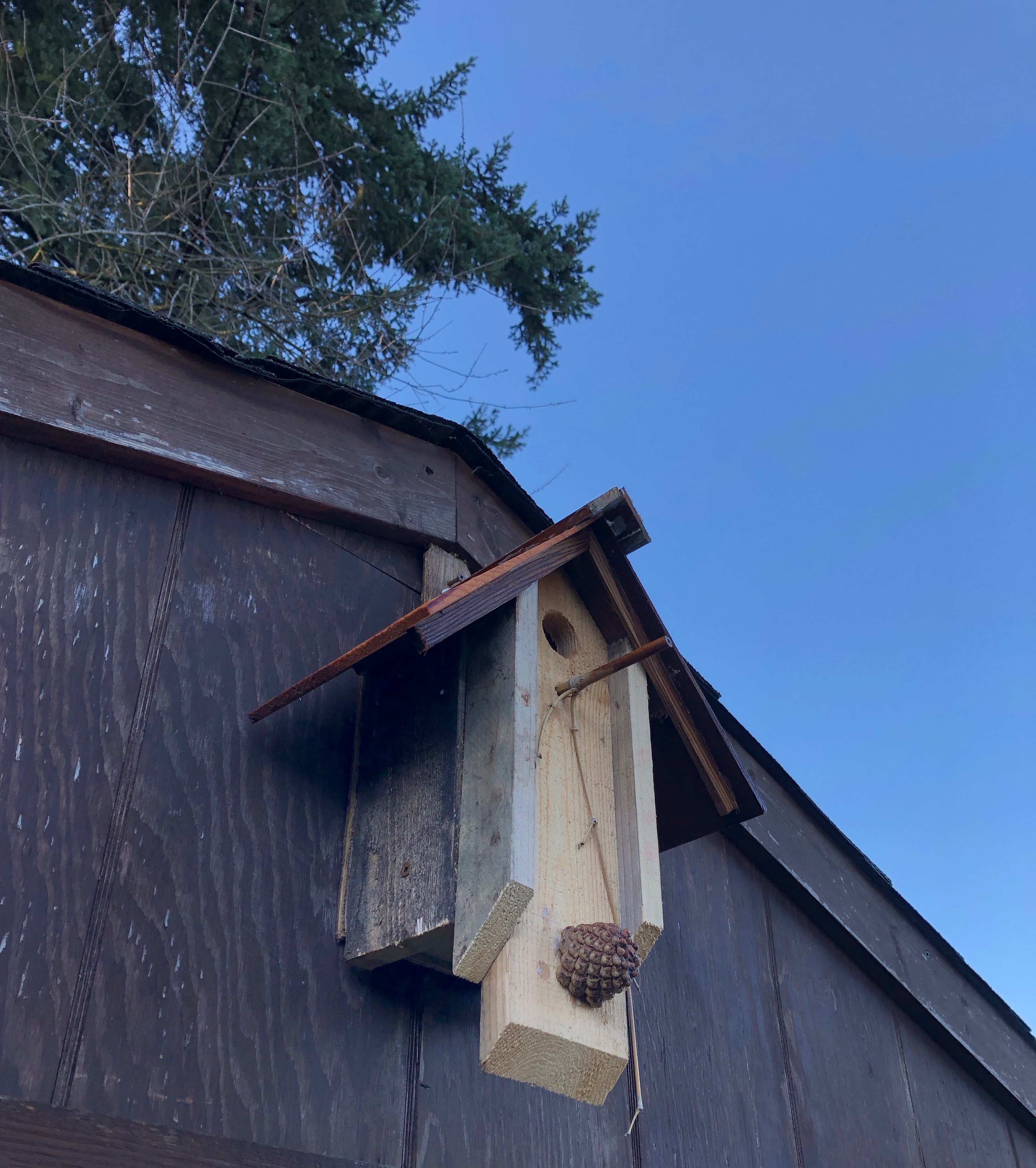


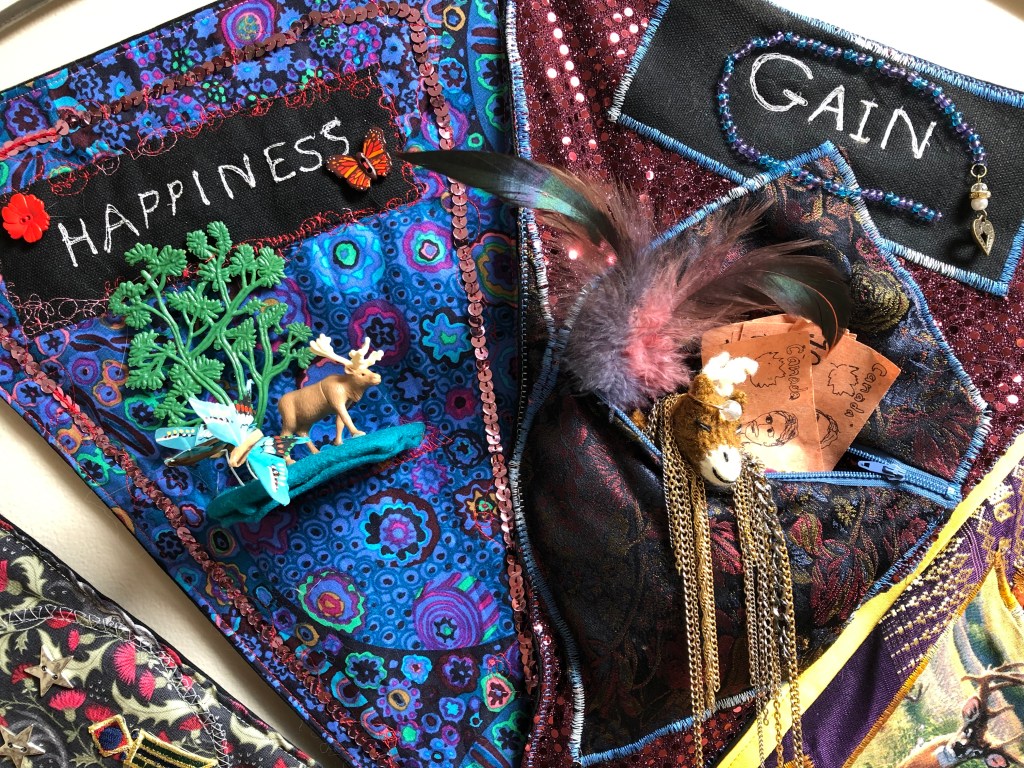
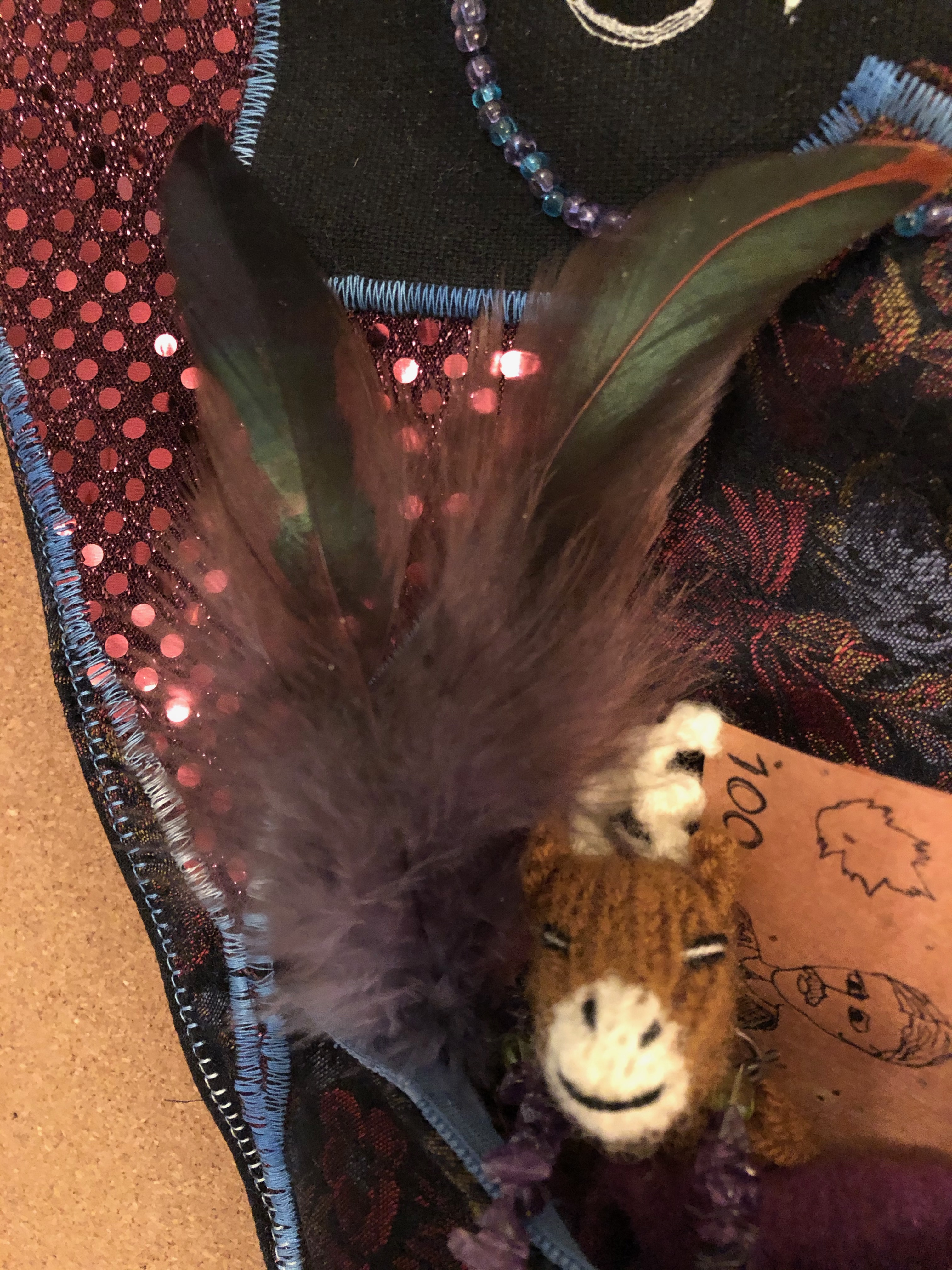 to a little girl, but somehow the deer got away from the set and I ended up with it. It seemed a perfect way to make the abstract concrete: to have someone or something experiencing gain. So my deer was soon cosseted by silks and feathers, zipped into a cocoon of wealth. A narrative emerged: Rainer the reindeer enjoys his gains, not realizing he’ll soon experience loss.
 Madeline Ruth Walker